Understanding the Teenage Girl Digital Design Aesthetic: A Practical Guide for Creators
The digital design market is saturated with resources, yet finding assets that truly resonate with specific demographics can be a challenge. One such niche that has gained significant traction among independent creators and small business owners is the "Teenage Girl" aesthetic. This category of digital art is not merely about depicting adolescents; it represents a distinct visual language characterized by vibrant colors, playful typography, and themes centered on friendship, self-expression, and modern youth culture. For entrepreneurs looking to populate their shops with trendy, high-demand items, understanding the nuances of this style is essential. It offers a unique opportunity to connect with a passionate audience, but it also requires careful consideration regarding file formats, usage rights, and printing techniques.
What Defines the Teenage Girl Digital Style?
At its core, the Teenage Girl digital listing refers to a collection of graphic designs intended for instant download. These files are crafted to appeal to the sensibilities of young women and girls, often featuring motifs like floral patterns, motivational quotes, pastel palettes, and whimsical illustrations. The distinctiveness of this style lies in its emotional resonance. Unlike generic clipart, these designs are curated to evoke feelings of nostalgia, empowerment, or fun. They are designed to be versatile, allowing users to apply them across a wide array of physical and digital products.
When evaluating these assets, it is important to recognize that they are typically sold as digital products rather than physical goods. This means there is no shipping involved, and the transaction concludes with the transfer of digital files. The value proposition here is speed and convenience. Creators can immediately access high-quality graphics without waiting for inventory delivery, enabling them to test new product lines rapidly. However, this model shifts the responsibility of quality control onto the buyer, particularly regarding how the digital file translates into a physical object.
Technical Specifications and File Formats
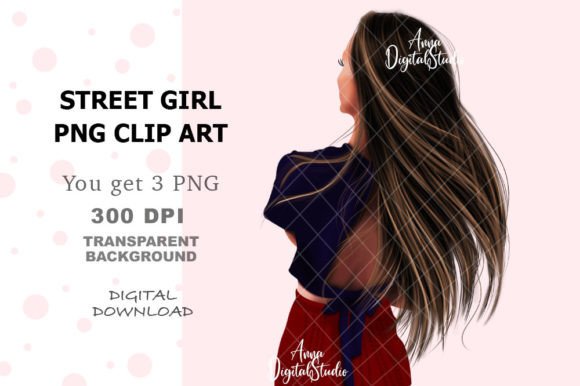
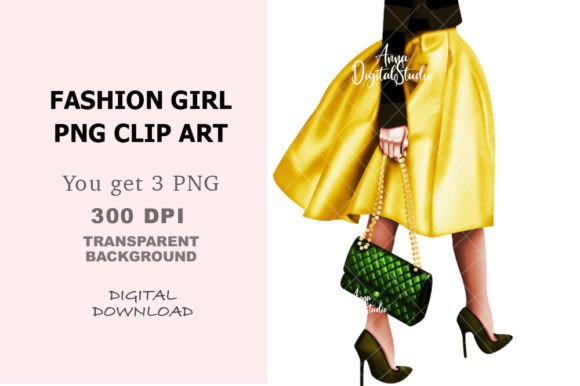
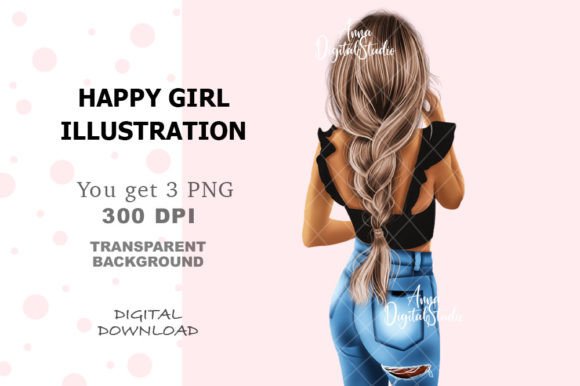
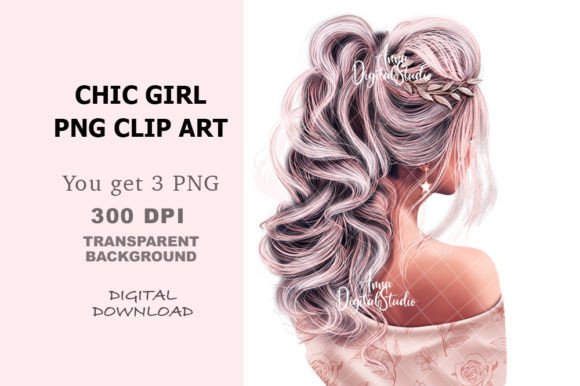
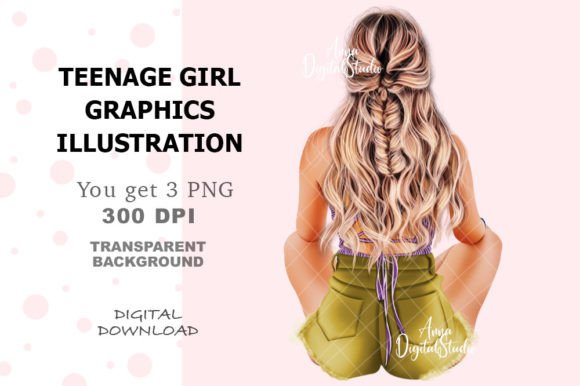
One of the most critical aspects of purchasing digital design assets is understanding the technical specifications. Most reputable listings for this aesthetic provide files in PNG format. This choice is deliberate and offers several advantages for both novice and experienced designers. PNG files support transparency, meaning the background of the image is invisible. This feature is invaluable when placing a design onto a t-shirt, a phone case, or a greeting card, as it allows the artwork to blend seamlessly with the base color of the product without a white box surrounding it.
Furthermore, these files are typically offered in high resolution, specifically at 300 dots per inch (dpi). In the world of print, dpi is a measure of image density. A higher dpi ensures that the printed output is sharp and clear, avoiding pixelation or blurriness. Standard web images are often 72 dpi, which looks fine on a screen but appears jagged when printed. By providing 300-dpi files, sellers ensure that the final product meets professional printing standards. The dimensions commonly provided are 8 x 10 inches, a standard size that fits well within many home printers and commercial print shops.
The Importance of RGB Color Profiles
While high resolution is crucial, color accuracy is equally important. Digital files are created using the RGB (Red, Green, Blue) color model, which is based on light. This is the standard for screens, including monitors, tablets, and smartphones. However, most physical printing processes use CMYK (Cyan, Magenta, Yellow, Key/Black), which is based on ink. This fundamental difference can lead to discrepancies between what you see on your screen and what comes out of your printer. Bright neon colors or deep blues may appear muted or shifted in hue when printed.
To mitigate this issue, it is highly recommended to conduct a test print before committing to a large batch production. Adjusting monitor settings to match standard lighting conditions can also help. While some advanced printing services offer color management services to bridge the RGB-CMYK gap, understanding this limitation helps set realistic expectations. The lack of watermarks in these files is a significant benefit, allowing for clean, professional-looking final products without additional editing steps to remove branding.
Versatility and Use Cases
The true strength of the Teenage Girl digital listing lies in its versatility. Because the files are transparent and high-resolution, they can be applied to a vast range of merchandise. This flexibility makes them an attractive option for entrepreneurs who want to diversify their offerings without investing in multiple different design concepts.
- Apparel and Accessories: Designs can be transferred onto t-shirts, hoodies, tote bags, and hats using heat transfer vinyl (HTV) or direct-to-garment (DTG) printing. The playful nature of the aesthetic works particularly well on casual wear.
- Tech Accessories: Phone cases, tablet sleeves, and laptop skins are popular items. The transparent background ensures that the design adheres perfectly to the curved surfaces of these devices.
- Stationery and Paper Goods: Greeting cards, invitations, gift tags, planner covers, and notepad covers are ideal candidates. The 8x10 dimension is perfect for standard cardstock printing.
- Home Decor: Mugs, tumblers, and framed prints allow the vibrant colors to shine, creating personalized gifts for birthdays or special occasions.
This adaptability means that a single purchase can fuel multiple product lines. For instance, a design featuring a motivational quote in a trendy font could be printed on a mug for a teacher, a sticker pack for students, and a poster for a bedroom wall. This maximizes the return on investment for the digital asset.
Evaluating Alternatives and Tradeoffs
When considering digital downloads versus other sourcing methods, it is helpful to weigh the tradeoffs. Physical wholesale goods offer immediate stock but require upfront capital and storage space. Custom commissioning artists provides unique results but involves longer turnaround times and higher costs. Digital downloads sit in the middle, offering low overhead and instant availability, but requiring technical skill in file handling and printing.
Compared to vector files (such as SVG or AI), PNG files have limitations. Vectors can be scaled infinitely without losing quality, making them ideal for large-format signage. PNGs, while high-resolution, have fixed dimensions. If you need to enlarge an 8x10 PNG to fit a billboard, the image will become pixelated. Therefore, the suitability of the Teenage Girl digital listing depends heavily on the scale of your intended products. For small to medium-sized items like apparel and stationery, PNGs are sufficient and often preferred because they retain complex color gradients and shadows more easily than simple vector shapes.
Another consideration is the uniqueness of the design. Since these files are available for instant download, they are likely being used by many other sellers. This creates a competitive market where differentiation becomes key. Success in this niche often relies not just on the design itself, but on how it is integrated into the product. High-quality materials, thoughtful packaging, and effective marketing can distinguish one brand from another, even if they are using the same digital asset.
Who Should Choose This Option?
The Teenage Girl digital listing is best suited for individuals who are comfortable with basic design software and printing technology. It is ideal for hobbyists looking to create personal gifts, small business owners testing the market for new trends, and established sellers looking to expand their catalog quickly. If you are looking for a hands-off approach where someone else handles production and shipping, this model is not appropriate. However, if you enjoy the creative process of turning digital ideas into tangible products, this resource offers a powerful toolkit.
Conversely, those seeking exclusive, one-of-a-kind designs might find limited appeal in mass-market digital downloads. Similarly, professionals requiring vector-based workflows for large-scale printing may need to seek out different file types. Ultimately, the decision hinges on your specific goals, technical capabilities, and budget. By understanding the strengths and limitations of the Teenage Girl digital aesthetic, you can make an informed choice that aligns with your creative vision and business strategy.