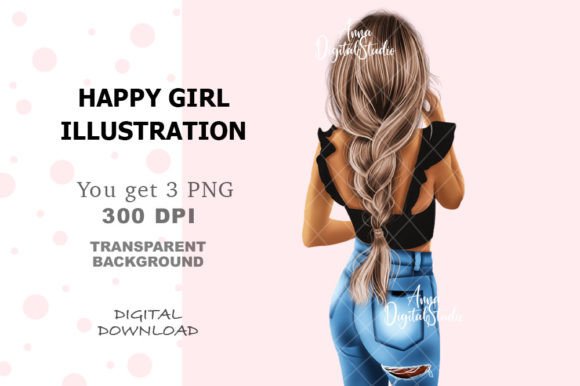
Happy Girl: Maximizing the Potential of Your Digital Download
When you stumble upon a design asset like Happy Girl, it is easy to get swept up in the aesthetic appeal. The vibrant energy, the clean lines, and the cheerful vibe make it an attractive addition to any creative project. However, purchasing a digital file is not just about acquiring an image; it is about understanding the technical specifications that determine how that image will perform in the real world. Many creators, from seasoned entrepreneurs to hobbyists dipping their toes into print-on-demand or digital planning, make critical errors right out of the gate. These mistakes often stem from a lack of clarity regarding what they are actually buying and how digital files behave differently than physical products.
This guide aims to help you avoid common pitfalls associated with instant-download digital assets. By understanding the nuances of file formats, resolution, and color management, you can ensure that your final product looks exactly as intended. Whether you are designing greeting cards, custom apparel, or business branding materials, getting the details right saves time, money, and frustration.
Understanding the Nature of Digital Downloads
The most frequent misconception among new buyers is expecting a physical item to arrive in the mail. It is crucial to internalize that this listing is for an instant download digital file only. No physical item will be shipped to your address. This distinction is vital for setting expectations regarding delivery times and costs. Since there is no shipping involved, the transaction is immediate, but it requires you to take responsibility for the production process yourself.
Once purchased, your files are ready for immediate access. There are no waiting periods for manufacturing or logistics. This speed is one of the primary advantages of digital assets, allowing you to start your projects almost instantly. However, this immediacy also means you must be prepared to handle the file on your own devices. Ensure you have a reliable method to save and organize your downloads, such as a dedicated folder on your computer or cloud storage service.
Technical Specifications: Resolution and Format
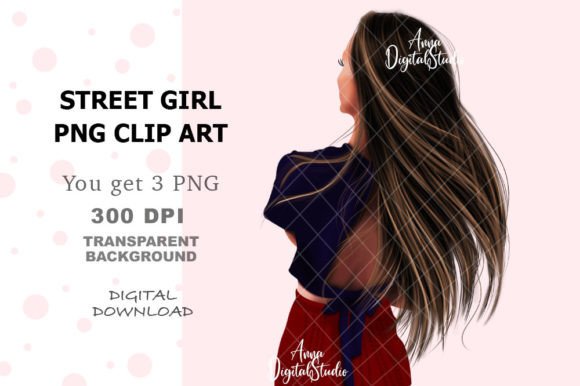
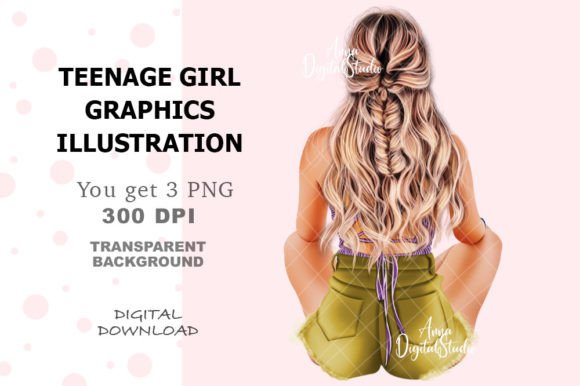
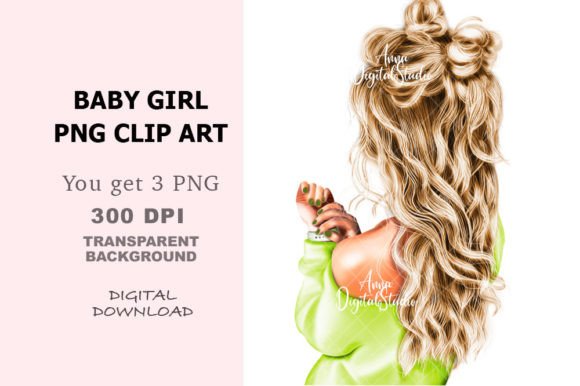
Not all digital images are created equal. When evaluating a design like Happy Girl, you need to look closely at the technical specs provided by the seller. In this case, you are receiving high-resolution 300-dpi PNG files. Understanding why these specific metrics matter can prevent blurry or pixelated results in your final output.
- 300 DPI (Dots Per Inch): This is the industry standard for high-quality printing. If you were to use a lower-resolution image (such as 72 dpi, which is typical for web screens), your printed items would appear blocky or fuzzy. For professional-looking business cards, invitations, or merchandise, 300 dpi is non-negotiable.
- PNG Format: Unlike JPEGs, PNGs support transparency. This feature is incredibly powerful for designers. A transparent background allows you to place the "Happy Girl" design over any color, texture, or pattern without a distracting white box surrounding it. This versatility is essential for creating seamless designs on t-shirts, mugs, or phone cases.
- Dimensions: The files are sized at 8 x 10 inches. This is a standard paper size, making it perfect for prints, posters, and planner covers. However, remember that while the file is large enough for high-quality printing, you must ensure your printer supports this size or that you are using a print-on-demand service that does.
A common mistake is assuming that because a file is "high resolution," it will automatically look good on every surface. While 300 dpi ensures quality on paper, applying that same logic to fabric or curved surfaces requires additional consideration. Always check the recommended usage guidelines for your specific printing method.
Color Management: Screen vs. Print Reality
One of the most significant sources of disappointment in digital design is the discrepancy between what you see on your monitor and what comes out of your printer. The listing explicitly notes that the files are developed with RGB colors. RGB stands for Red, Green, and Blue, which is the color model used by screens (monitors, phones, tablets). However, most home and commercial printers use CMYK (Cyan, Magenta, Yellow, Key/Black) ink.
Because RGB colors are generally more vibrant and have a wider gamut than CMYK inks, colors that look bright and poppy on your screen may appear slightly duller or shifted in hue when printed. This is not a defect in the file; it is a fundamental limitation of the printing process. Ignoring this difference can lead to mismatched brand colors or unexpected results on greeting cards and packaging.
To mitigate this issue, consider the following practical steps:
- Conduct a Printing Test: Before committing to a large batch of prints, always run a test page. Use the same paper stock and printer settings you plan to use for the final project. This allows you to see exactly how the colors translate.
- Calibrate Your Monitor: If possible, calibrate your screen to ensure accurate color representation. An uncalibrated monitor might display colors that are too bright or too dark, leading you to make unnecessary adjustments to the file.
- Communicate with Your Printer: If you are using a professional print shop, ask them if they offer color matching services or if they can provide a proof before full production.
Versatility and Application Ideas
With a versatile design like Happy Girl, the possibilities for application are nearly endless. The transparent background and high resolution allow for creative freedom across various mediums. However, it is important to choose applications that suit the design’s scale and detail.
Printable Goods: The 8x10 size makes this ideal for greeting cards, gift tags, invitations, and notepad covers. You can easily integrate these into digital planners or create physical stationery sets. The transparency allows the design to blend seamlessly with your chosen backgrounds.
Merchandise: The file is suitable for creating clothing, accessories, and phone or tablet cases. When designing for apparel, keep in mind that large, detailed graphics may require vector conversion for the best results on certain fabrics, though PNGs work well for direct-to-garment printing. For hard goods like glass mugs or phone cases, the high resolution ensures crisp edges and clear imagery.
Digital Content: Don’t overlook the digital applications. You can use these designs for blog headers, social media graphics, email newsletters, and business cards. The RGB format is perfectly suited for these uses, ensuring they look sharp on any device.
Evaluating Your Purchase Decision
Before finalizing your purchase, take a moment to evaluate your needs against the product features. Ask yourself:
- Do I have the necessary software? To utilize PNG files with transparent backgrounds, you need graphic design software like Adobe Photoshop, Illustrator, Canva, or Procreate. If you are a beginner, ensure you are comfortable with these tools or choose a platform that simplifies the editing process.
- Is the intended use compliant? Review the license agreement provided by the seller. Most digital designs come with specific terms regarding commercial use. Ensure you understand whether you can sell items made with this design or if it is restricted to personal use only.
- Do I have the right equipment? For high-quality prints, a good printer and appropriate paper are essential. If you plan to produce merchandise, research reputable suppliers who specialize in the materials you want to use.
By approaching your purchase with a clear understanding of these technical and practical considerations, you set yourself up for success. Happy Girl is more than just a cute image; it is a professional-grade asset that, when used correctly, can elevate your creative projects. Avoid the trap of assuming digital simplicity equals ease of execution. Instead, embrace the learning curve, test your outputs, and leverage the flexibility of digital design to create something truly unique.
Remember, the value of a digital download lies in its reusability and adaptability. With no watermarks and high-resolution clarity, you have the tools needed to produce polished, professional results. Take the time to prepare, test, and refine, and you will find that the effort pays off in the quality of your final creations.