We Are Black History: Empowering Design with Cutting Machine Compatibility
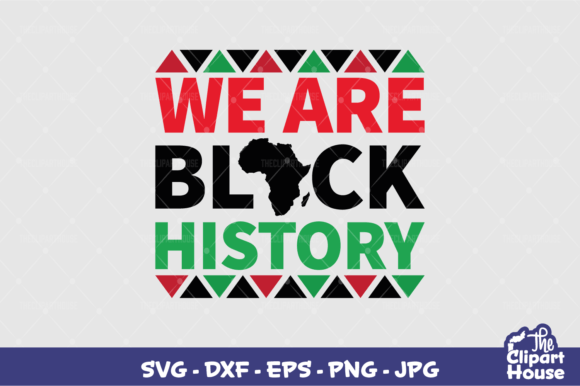
In an era where visual storytelling and personal expression converge, the intersection of cultural heritage and digital craft has become a powerful space for creators. We Are Black History is not merely a phrase; it is a declaration of identity, resilience, and pride that resonates deeply within communities worldwide. When this message is translated into design assets compatible with modern cutting machines like Cricut and Silhouette, it transforms from a static concept into tangible, wearable art. This shift represents more than just a trend in home crafting; it reflects a broader movement toward personalized, meaningful consumer goods that celebrate diversity and history.
The rise of accessible digital fabrication tools has democratized design. No longer confined to professional print shops, individuals and small businesses can now produce high-quality, custom items directly from their homes. For entrepreneurs, educators, and hobbyists alike, having access to versatile file formats allows for immediate implementation of these powerful messages across a wide array of products. From iron-on apparel to intricate stickers, the ability to physically manifest the "We Are Black History" ethos empowers users to share their story and support cultural narratives in everyday life.
The Evolution of Digital Craft and Cultural Expression
Crafting has evolved significantly over the past decade. What was once considered a simple hobby involving scissors and glue has expanded into a sophisticated industry driven by technology. The introduction of vinyl cutters, heat transfer printers, and laser engravers has lowered the barrier to entry for creating professional-grade designs. This technological leap coincides with a growing demand for authenticity in branding and personal style. Consumers are increasingly drawn to products that carry weight and meaning, moving away from generic mass-produced items toward those that reflect specific values and identities.
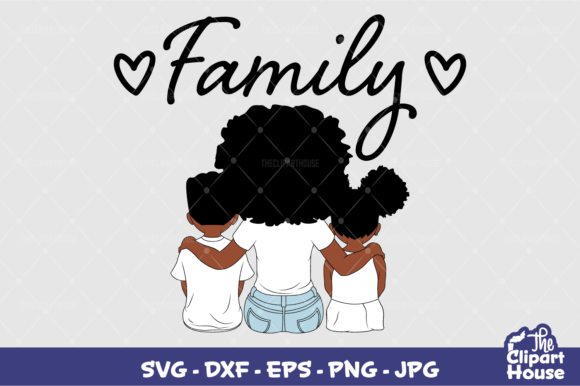
We Are Black History fits perfectly into this landscape. It addresses a historical gap in mainstream media and educational materials by centering Black excellence, struggle, and achievement. By making this message available as digital files, designers enable a grassroots distribution of this narrative. A teacher might use these designs to create classroom decorations that affirm students' identities. A small business owner might incorporate them into merchandise that supports local causes. A parent might craft unique party supplies that educate children about heritage through celebration. The versatility of the design ensures it serves multiple purposes, bridging the gap between education, commerce, and personal expression.
Technical Versatility: Why File Formats Matter
For anyone looking to bring these designs to life, technical compatibility is crucial. High-quality digital assets must be adaptable to various software platforms and hardware devices. The availability of multiple file types—specifically SVG, PNG, JPEG, EPS, and DXF—ensures that users with different equipment can utilize the design effectively. Understanding the strengths of each format helps creators maximize the potential of their projects.
- SVG (Scalable Vector Graphics): This is the gold standard for cutting machines like Cricut and Silhouette. SVG files are vector-based, meaning they can be resized infinitely without losing quality. This is essential for creating crisp cuts on vinyl, HTV (Heat Transfer Vinyl), or cardstock. If you are designing a large banner or a detailed sticker, the SVG format ensures clean lines and precise edges.
- PNG (Portable Network Graphics): Ideal for printing rather than cutting, PNG files support transparency. This makes them perfect for overlaying designs on photographs, creating digital invitations, or preparing images for sublimation printing. The transparent background allows the design to blend seamlessly with any background color or image.
- JPEG (Joint Photographic Experts Group): While JPEGs do not support transparency, they are universally compatible and useful for quick previews or printing on solid backgrounds. They are often used for social media graphics or simple paper crafts where vector precision is less critical.
- EPS (Encapsulated PostScript) and DXF (Drawing Exchange Format): These formats are favored by graphic designers using Adobe Illustrator or CorelDRAW. EPS files retain vector data and are excellent for complex illustrations that need further editing. DXF files are widely supported by various CAD and design programs, making them a robust choice for cross-platform compatibility.
To extract these diverse files efficiently, users will need a zip program or similar extraction tool. This step ensures that all components of the design package are organized and ready for import into your preferred software. Having this comprehensive suite of formats means that whether you are a novice with a basic Cricut Maker or a pro using a Silhouette Cameo and advanced software, you have the right tool for the job.
Practical Applications Across Industries
The applications for We Are Black History designs are vast, spanning several industries and creative practices. Here is how different user groups can leverage these assets:
Apparel and Fashion
One of the most popular uses for these designs is in clothing. Using Heat Transfer Vinyl (HTV) or sublimation paper, creators can apply the design to t-shirts, hoodies, tote bags, and hats. For entrepreneurs running online stores, this offers a low-risk way to test product viability. A well-designed shirt featuring this message can serve as both a fashion statement and a conversation starter. The durability of vinyl transfers ensures that the design withstands washing, making it a practical choice for everyday wear.
Stationery and Invitations
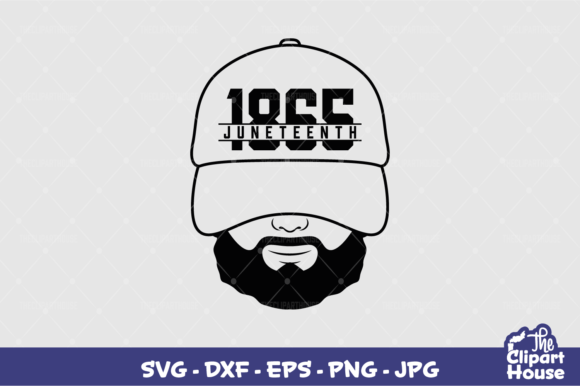
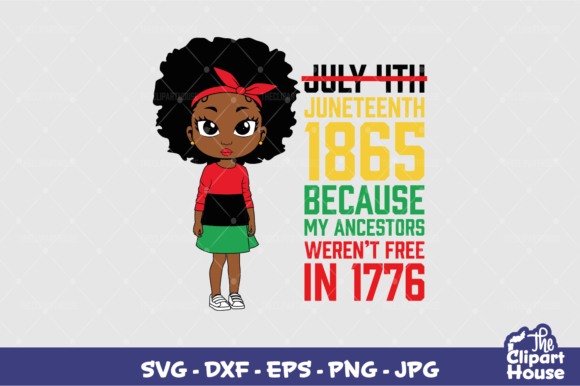
Personalization is key in the stationery market. Designers can use the PNG or SVG files to create custom invitations for Juneteenth celebrations, Black History Month events, or cultural festivals. Stickers made from these designs can adorn journals, laptops, and water bottles, serving as subtle yet powerful reminders of heritage. Business cards featuring this theme can help professionals stand out in competitive markets, signaling inclusivity and cultural awareness.
Home Decor and Party Supplies
Creating a welcoming environment often involves thoughtful decor. Cut vinyl decals can be applied to windows, mirrors, or walls to display the message prominently. For parties, coordinating banners, cupcake toppers, and gift tags using these designs creates a cohesive and meaningful atmosphere. Educators can use these elements to transform classrooms into spaces that reflect the diverse backgrounds of their students.
Digital Products and Web Design
Beyond physical goods, these assets are valuable for digital creators. Bloggers and influencers can use the PNG files for featured images, social media posts, or email newsletters. Website designers can incorporate the SVG files into landing pages to highlight diversity initiatives or heritage months. The scalability of vector files ensures that graphics look sharp on both mobile screens and large desktop monitors.
Best Practices for Creators and Businesses
While the technology makes creation easier, success depends on thoughtful execution. Here are some recommendations for getting the most out of your We Are Black History designs:
- Quality Control: Always preview your design in your cutting software before committing material. Check for overlapping paths or tiny details that might get lost during cutting or printing. A clean file results in a professional finish.
- Material Selection: Choose materials that align with your project’s purpose. For outdoor signs, use weather-resistant vinyl. For clothing, select HTV that matches the fabric type (cotton vs. polyester). Proper material choice extends the lifespan of your product.
- Marketing Narrative: When selling products or sharing content, include the story behind the design. Explain why We Are Black History matters to you and your audience. Authenticity builds connection. People buy into stories, not just products.
- Legal Compliance: Ensure you understand the licensing terms of the digital files you purchase. Most personal use licenses allow you to sell a limited number of finished physical items, but redistribution of the digital files is typically prohibited. Respecting intellectual property rights maintains trust within the creator community.
Looking Forward: The Impact of Accessible Design
The future of design lies in accessibility and inclusivity. As tools become more affordable and user-friendly, more voices will be able to contribute to the cultural dialogue. We Are Black History serves as a catalyst for this change, providing a ready-made asset that honors a vital part of our collective past while empowering present-day action. By integrating these designs into daily life through cutting machines, we normalize the celebration of Black history and culture.
This approach also supports economic empowerment. Small-scale producers can compete with larger brands by offering niche, meaningful products that resonate emotionally with consumers. The ability to quickly adapt designs to current trends or specific community needs gives these micro-entrepreneurs a significant advantage. Furthermore, it encourages intergenerational learning, as parents and grandparents involve children in the crafting process, teaching them about history through hands-on activity.
In conclusion, the combination of powerful messaging and versatile digital files creates a unique opportunity for impact. Whether you are a seasoned graphic designer, a stay-at-home parent crafting birthday decorations, or a small business owner launching a new line, the We Are Black History design pack offers the flexibility and depth needed to succeed. By leveraging the capabilities of Cricut, Silhouette, and other cutting machines, you are not just making products; you are contributing to a legacy of visibility, pride, and progress. Embrace the tools, respect the message, and create with intention.